
A water heater plays an important role in how much you enjoy having a bath and keeping clean. There are several models of water heaters on the market right now, with different units lasting for different lifespans. With good maintenance, your water heater should be able to last for over a decade. To ensure that it lasts for longer, you have to know how to clean it. By cleaning your water heater, you will enjoy cleaner water and having a heater that will give you good service for longer.
In this post, we will consider specific ways to clean the water heater. While there are several models on the market, including some that are integrated with a whole house water filter, there are some fundamental things that can be done to keep water heaters of different models clean. At the end of this post, you will be able to clean all types of water heaters.
Why you should clean your water heater
Before we delve into how you can successfully clean your water heater, we will consider why you should clean it in the first place.
Replacing a water heater might not be high up on the list of priorities of homeowners, since it might cost you a pretty penny. By regularly cleaning the water heater, though, you can reduce the level of wear and tear on the heater, which will certainly make it last for longer. Here are some of the other important reasons why you should seriously consider cleaning your water heater.
Removing deposits
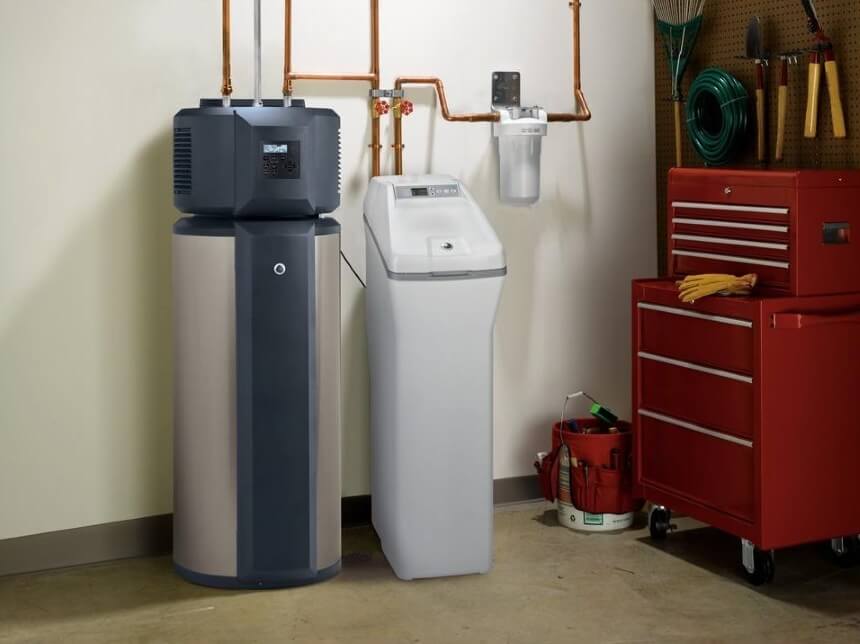 Did you know that most makers of water heaters recommend that you flush the tank frequently to remove sediments, mineral, and silt build up? That is because a lot of the water in your area might come with these. This EPA page can help you know the information about the water in your area. The build-up of sediments is the main culprit behind the damage that occurs to these devices.
When the build-up is much, it can affect the ability of your water heater. This is also noticeable in electric heaters. In electric heaters, the build-up is often seen on the electrodes of the machine. And when these are clogged, it will lead to other problems. You can use a water softener to reduce the build-up.
Reducing noise
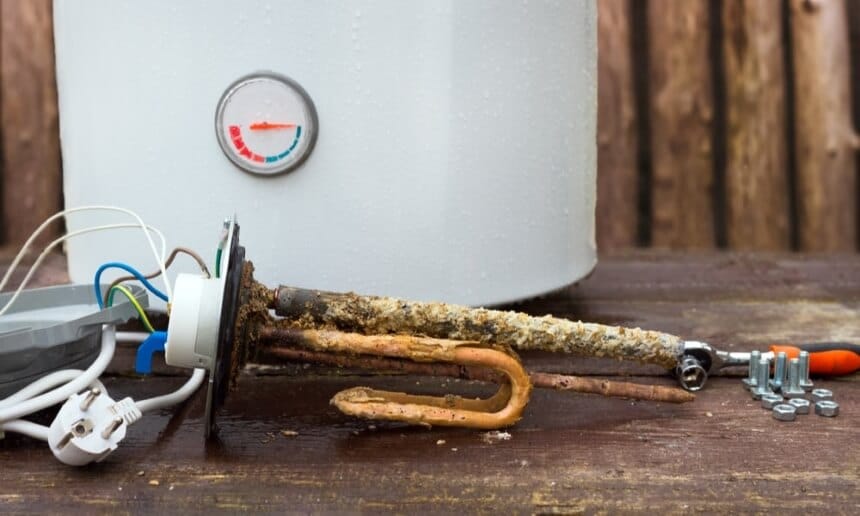 There are a few things that might disturb you as much as waking up in the middle of the night to strange noises. While you might not be able to completely eradicate the noise from the heater, when you clean it, you can reduce the noise. If the machine is pretty noisy, then that might indicate that it has some issues. One of the things that might cause such noise in your device is the buildup of scale. This buildup might go away on its own after some time. However, it is better to clean it away as soon as possible.
If you leave it, the buildup can affect the circulation of the water heater. Cleaning and flushing the water heater will improve the water circulation and will help to eliminate the noise problem.
Improving heating speed
If your heater is not heating as well as it used to in the past, then you might have to clean it. If the heater has some issues, it might take a longer time to carry out tasks that it used to do in a short time in the past.
When there is debris in the heater, it will affect the heat transfer process, which increases the time that it will take for the heater to work. Additionally, when you face this problem, your hot water might become cold quickly.
With flushing of the heater, you can see an immediate improvement in the heating times of the water.
Reducing energy costs
The cost of heating your water is often commensurate with the amount of work the heater does and the time it takes to heat the water. Therefore, when there is a buildup in the tank, it will need more energy to provide hot water for you. This, in turn, will cause your electricity bills to rise. You will see the results in your bills. Therefore, when you clean the water heater, you will observe a drop in the energy costs of running the water heater.
Removing smells
If there is buildup of stagnant water in the water heater, you might observe some unpleasant odors emanating from the heater. And if you do not clean it out as soon as possible, this might get even worse.
Therefore, ensure that you flush and clean the system regularly.
How to clean a tankless water heater
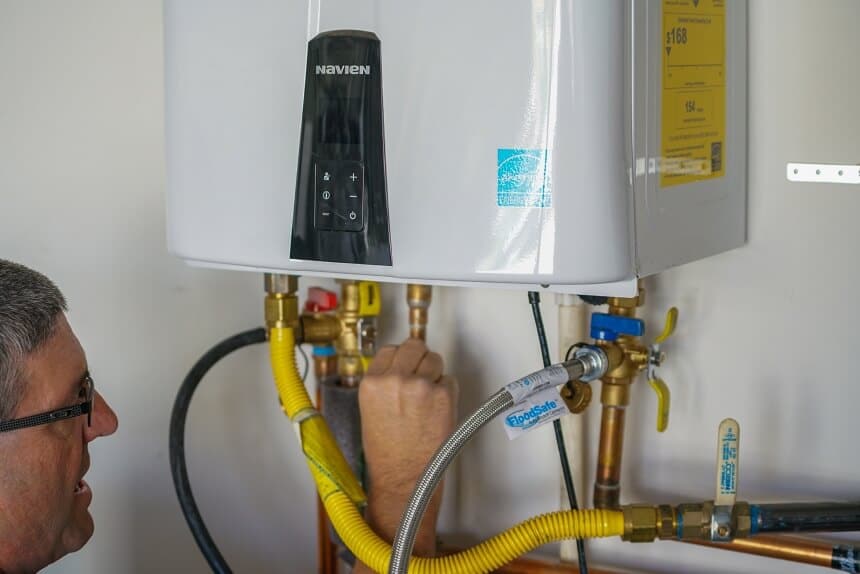 It is important to know how to clean this type of water heater. Compared to traditional water heaters, tankless water heaters are better in terms of efficiency and cost. You don’t have to do a lot of maintenance when it comes to such models.
What you will need
There are different tools and equipment to use when cleaning or flushing a tankless water heater. However, one of the best equipment to use is the submersible pump. It is an excellent option that will help you to remove the sediments and buildup in a short time.
You might also include a flush kit. These kits are excellent as they come with the majority of things that you require for cleaning the heater.
Some of what you will find in there includes a bucket, a pump, hoses, and a descaler. Reviews indicate that the Kelaro Tankless water heater flushing kit is one of the best kits for this purpose on the market.
Another thing that you might need is a cleaning tool. Many users prefer the Turbo Tank Cleaner as one of the best for cleaning all water heater tank types.
With these in mind, let’s now consider how to successfully clean the tankless heater.
Steps to clean the heater
Before you do anything, it is vital that you first check out the instruction guide provided by the manufacturer. This is important because it might come with specific instructions on how to clean and descale the unit.
However, regardless of the model, the following steps are really important to follow.
Step 1 – Preparation
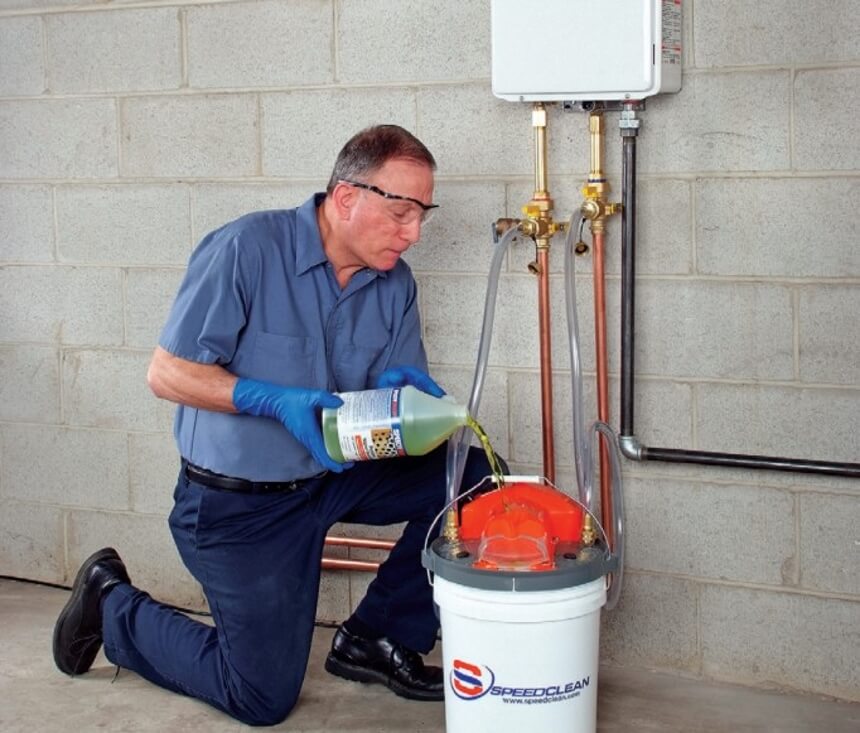
- For an electrical model, disconnect the power into the heater
- Open the access panel and use a tester to confirm that there is no power in the machine
- Close the gas isolation valve
- Next, turn off the hot and cold shut-off valves. This is important because it will stop any water from coming in as you clean
- Open the hot water pressure relief valve and eliminate the pressure. You should do this with caution as it might have some hot water inside.
- Next, connect the hoses to the cold water service and hot water service ports.
- Put the submersible pump into the bucket.
- Afterward, connect the hose of the cold water to the pump while keeping the end of the hot water hose in the bucket.
- Lastly in the preparation stage, pour four gallons of white vinegar in the bucket.
Step 2 – Flushing
- After you have carried out the steps in the Preparation stage, then it is time to flush. First, open the hot and cold service ports and switch on the pump.
- Ensure the vinegar solution you have poured to circulate in the heater for at least one hour. The importance of doing this is to descale the scale.
- Switch off the pump and pour out the vinegar
- Close the cold water service port
- Open the cold water shut-off valve to remove any residue of vinegar
- Completely drain the water and remove the other hose.
- Flush out the filters again to remove any remaining sediments.
Step 3 – Cleanup
- Restore the filters and open the shut-off valves
- Replace the access panel and open the gas valve
- Plug the heater back in and continue using
How to clean a tank water heater
When you follow the right steps, it is quite easy to clean the water heater. If it has a tank, the steps highlighted in this section will help you to clean it correctly.
Step 1 – Preparation
Before you start to clean, you have to prepare the heater for cleaning. First, you have to switch off the thermostat of the heater. And depending on the model that you have, you can switch it off in different ways. Some models allow you to switch it off without having to reactivate anything after the cleaning has been done.
If the model you have is electric, then you need to remove it from the source of power. Then, switch off the cold water supply.
Step 2 – Hot water faucets
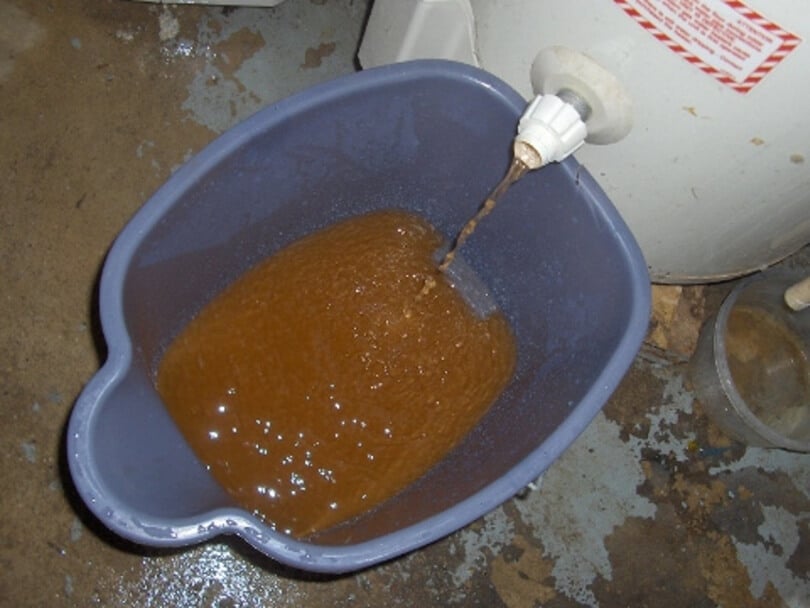 The next thing to do is to drain the tank. How can you do this? Simply by opening the hot water faucets all around the home. You must do this because if you don’t, there will be a vacuum that will trap the water in the tank.
Step 3 – Connect the hose
Next thing is to locate the drain valve and connect a hose to it. The hose should end in a large bucket outside and away from the foundation of the home. If you don’t have a bucket that is large enough to take all of that water, you might take advantage of the drain of the basement. Place one end of the hose there and send the water through there.
Step 4 – Open the drain valve
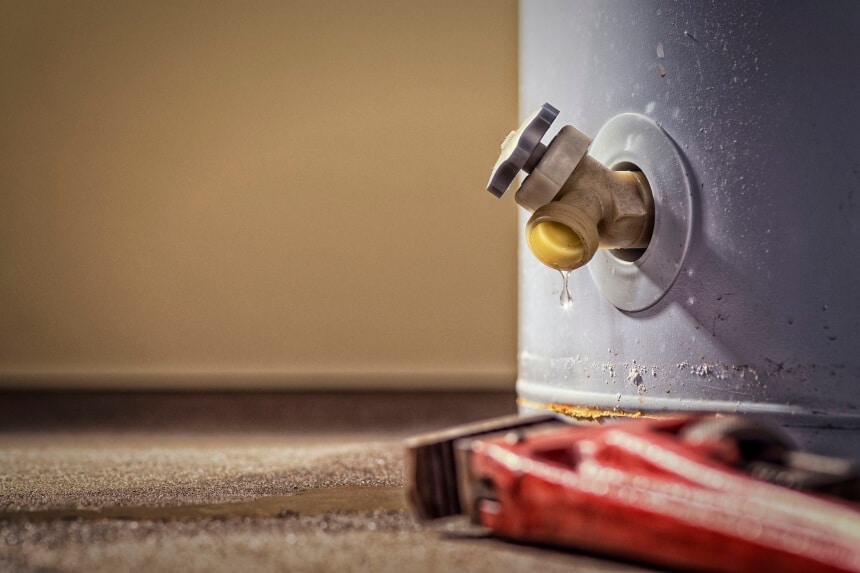 After you have followed the steps that we have outlined above, you then need to empty the tank. You do this by opening the drain valve and emptying the tank.
If you open the valve and there is no flow, then chances are pretty high that the buildup is severe and has clogged your drain valve. If this is the case, then you can use a specialized vacuum to remove the clogging.
Step 5 – Open cold water supply
After draining the tank, open the cold water supply. Note that you should do this before you remove the hose from the drain valve. The cold water will help to flush out any other sediments in the tank. Run the water for as long as is needed until the water coming out from the hose is clean and clear.
Step 6 – Close the drain valve
Shut off the valve then turn on the cold water supply.
Step 7 – Open the faucets
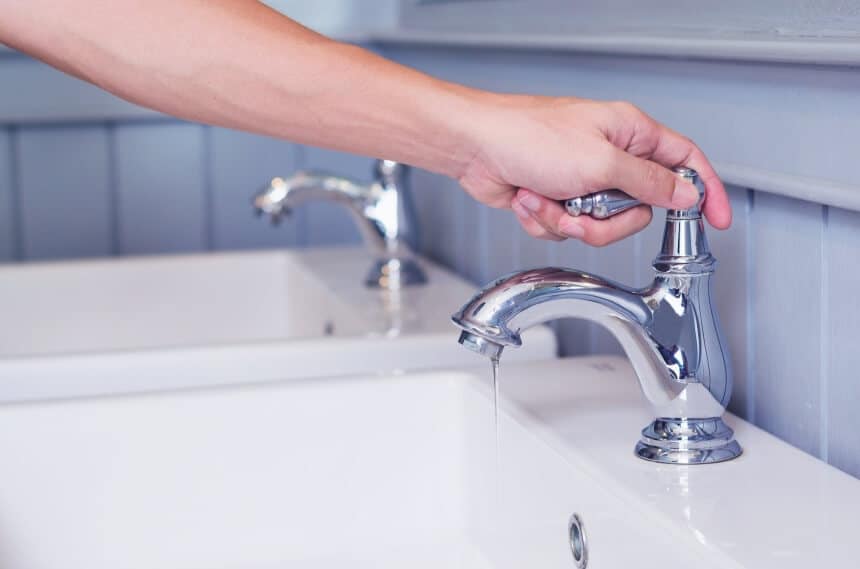 After cleaning the tank, you might see that some of the water that comes out from the faucets are unclean. This is temporary and will clear up after some minutes of running the faucets. Afterward, you should close the faucets.
Step 8 – Reactivate the heater
Since your heater is now clean, you can plug it back in or reactivate its thermostat.
How to clean water heater with vinegar
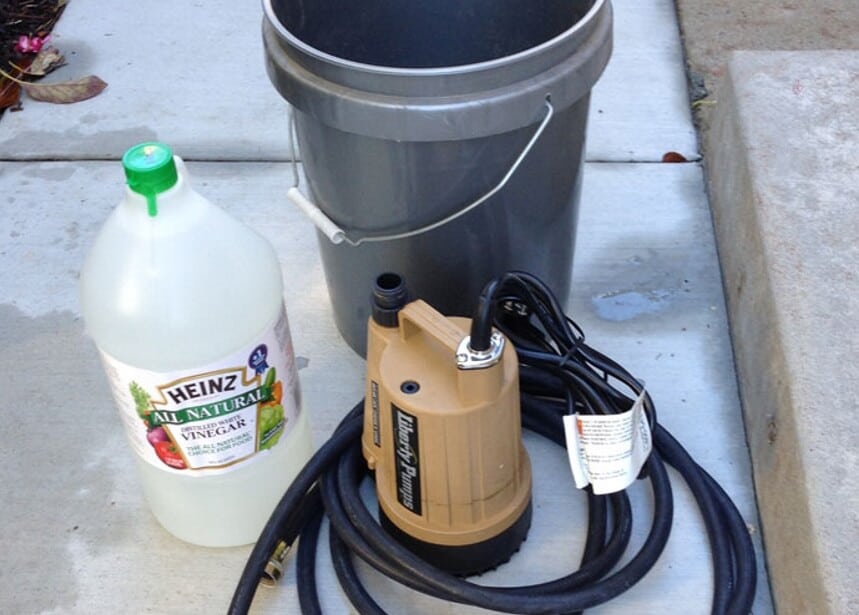 If there are heavy buildup and clogging, a vinegar solution might just be what you need to clear everything up. The process of using vinegar is similar to the process of cleaning the water heater with a tank.
However, there are some other things that you need to do.
Step 1 – Remove the anode
To prevent any damage to the anode, you should first remove it. Instructions for removal should be contained in the user manual.
Step 2 – Add the vinegar to the tank
You can do this by pouring vinegar into the tank.
Step 3 – Return the anode rod
Put back the anode rod and switch on the cold water supply. Leave the solution for a day to allow it to eat into the sediment and buildup.
How frequently should you clean the water heater?
There is no timetable or schedule for cleaning the water heater. However, the frequency of the build-up of scale in your heater is a factor. The buildup depends on several factors. Some of the factors that affect this include the amount of mineral content in your water, the heat of the water, and the amount of water that you use.
Final thoughts
Flushing or cleaning the water heater does not come with any disadvantages. In fact, all you get from cleaning the water heater are benefits. It will help to improve the longevity of the machine and keep your costs down. By considering the systematic steps outlined in this post, you should know how to clean water heaters, regardless of the model.